
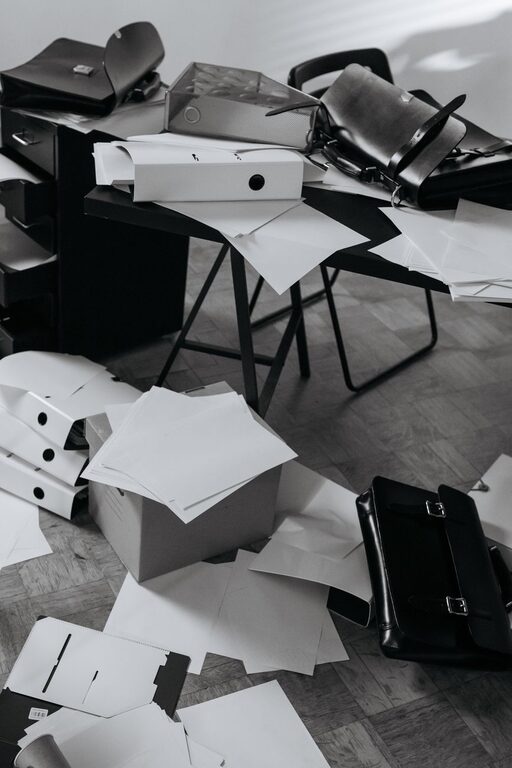
Managing paper clutter is a common challenge in many households. Whether it’s bills, receipts, school papers, or junk mail, piles of paper can quickly build up and create a messy environment. The good news is that reducing paper clutter doesn’t have to be complicated or time-consuming. With simple habits and a bit of planning, you can streamline your paper management and enjoy a cleaner, more organized home.
In this post, we’ll explore practical strategies to help you minimize paper clutter and keep your space neat.
Why Reducing Paper Clutter Matters
Before diving into the tips, it’s helpful to understand why cutting down on paper clutter is beneficial:
– Improves organization: Less paper means fewer things to sort through.
– Saves time: Finding important documents becomes quicker.
– Creates a calm space: A clutter-free environment can reduce stress.
– Helps the environment: Using less paper reduces waste.
Now, let’s look at some simple ways to manage household paper.
1. Go Digital Whenever Possible
One of the most effective ways to reduce paper clutter is to switch to digital formats.
Set Up Paperless Billing and Statements
– Contact your bank, utility providers, and other service companies to receive electronic bills and statements.
– Use email or company apps to monitor and pay your bills.
Scan Important Documents
– Use a scanner or smartphone app to digitize important papers like tax returns, medical records, and receipts.
– Organize scanned files into folders on your computer or cloud storage for easy access.
Use Digital Notes and Lists
– Replace paper notes with digital apps or calendars.
– Share grocery lists or to-do lists with family members through shared apps to avoid paper duplication.
2. Create a Dedicated Paper Management Station
Having one spot in your home to handle incoming paper can prevent clutter from spreading.
Set Up an Inbox Tray or Folder
– Place a tray or basket near the door or kitchen counter to collect mail and papers.
– Commit to sorting through this once or twice a week to deal with items immediately.
Sort and File Regularly
– Separate papers into categories such as bills, personal, school, or work.
– Use labeled folders or filing cabinets to store important documents.
– Discard junk mail and unnecessary papers right away.
3. Develop a Routine for Paper Disposal
Paper clutter often accumulates because it’s easy to ignore.
Schedule Weekly Purges
– Set a specific day each week to review your paper pile.
– Shred sensitive documents you no longer need and recycle the rest.
Use a Shredder
– Invest in a home shredder to securely dispose of documents containing personal information.
– This encourages you to dispose of papers regularly instead of letting them pile up.
4. Limit Incoming Paper
Reducing the amount of paper entering your home is an essential step.
Cancel Unwanted Subscriptions and Catalogs
– Opt out of catalogs, magazines, and flyers that you do not read.
– Many companies provide unsubscribe options online or by phone.
Share a Family Mail Organizer
– Designate one person to handle household mail collection and sorting.
– This prevents duplicate papers and ensures timely action on important documents.
5. Use Minimal Storage Solutions
When you do keep paper, manage it with minimal yet effective storage methods.
Use Compact Filing Systems
– A small portable file box or accordion folder can efficiently store documents without taking up much space.
– Label each section clearly for quick access.
Repurpose Containers
– Use magazine holders, binders with sheet protectors, or desk organizers to keep papers neat.
– Keep only what is necessary and regularly review to remove outdated items.
6. Teach Family Members to Participate
Paper clutter is a shared responsibility in most households.
Communicate Clear Guidelines
– Explain the importance of reducing paper and organizing it promptly.
– Encourage family members to handle their own papers and minimize unnecessary printing.
Involve Kids in Organizing
– Turn sorting papers into a fun activity.
– Teach children to put schoolwork or artwork in designated folders or boxes.
7. Reconsider Printing Habits
Both reducing and managing printing can make a big difference.
Print Only When Necessary
– Review documents on a screen instead of printing by default.
– Use double-sided printing to save paper when printing is unavoidable.
Use Scrap Paper for Notes
– Use the back of printed documents or old papers for quick notes.
– This helps use remaining paper effectively before recycling.
Final Thoughts
Reducing household paper clutter takes a little effort, but the benefits are well worth it. By embracing digital tools, setting up simple systems, and committing to regular maintenance, you’ll enjoy a more organized and peaceful home environment. Start with a few of these tips today and build habits that keep your paper clutter at bay.
Remember, the goal is progress, not perfection. Small, consistent steps can make a big difference!