
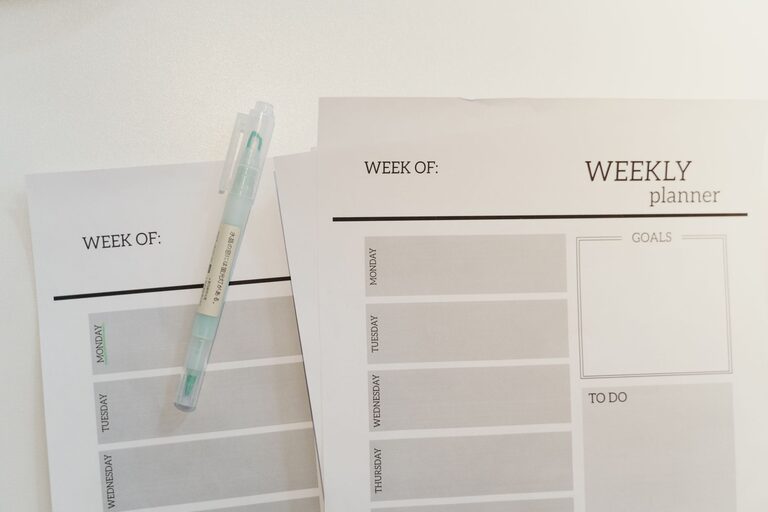
Setting realistic weekly goals is a powerful way to boost productivity, maintain motivation, and make steady progress toward your bigger objectives. However, many people struggle with either setting goals that are too ambitious or too vague, which can lead to frustration or lack of direction. In this post, we’ll explore practical steps to help you establish achievable weekly goals that fit your schedule and priorities.
Why Set Weekly Goals?
Weekly goals serve as manageable milestones within your broader plans. They help you:
– Break down larger projects into actionable steps
– Focus your efforts on what truly matters
– Track your progress regularly
– Adjust your plans based on what you accomplish
By concentrating on a single week at a time, you can keep goals flexible and realistic.
Step 1: Reflect on Your Priorities
Before you start planning your week, spend a few minutes reflecting on what’s most important right now. Consider:
– Upcoming deadlines or events
– Personal and professional commitments
– Areas where you want to improve or grow
Write down your top 3 to 5 priorities. This will guide your goal-setting for the week.
Step 2: Review Last Week’s Achievements
Look back at the goals you set last week. Ask yourself:
– Which goals did I complete successfully?
– Which ones did I struggle with or leave unfinished?
– What obstacles prevented me from achieving some goals?
Understanding your past performance helps you set more realistic goals moving forward.
Step 3: Make Your Goals Specific and Measurable
Vague goals like “exercise more” or “work on project” are hard to track and achieve. Instead, try to make your goals specific and measurable. For example:
– “Walk 30 minutes on Monday, Wednesday, and Friday”
– “Write 500 words for my project report by Thursday”
Clear goals help you stay focused and recognize when you’ve completed them.
Step 4: Break Goals into Manageable Tasks
If your goals seem overwhelming, break them down into smaller tasks. For example:
Goal: Organize the office space by Friday
Tasks:
– Monday: Sort through papers
– Tuesday: File important documents
– Wednesday: Declutter desk drawers
– Thursday: Clean shelves and reorganize supplies
Breaking down goals makes them less intimidating and easier to schedule.
Step 5: Prioritize Your Goals for the Week
Not all goals have the same urgency or importance. Use simple prioritization methods such as:
– Marking goals as High, Medium, or Low priority
– Focusing on goals with deadlines first
– Allocating more time to tasks that impact your main objectives
Prioritizing helps you focus on what moves you forward most effectively.
Step 6: Set Realistic Timeframes
Be honest about how much time you have each day to work toward your goals. Overloading your schedule will reduce your chances of success. Tips for setting realistic timeframes include:
– Checking your calendar for existing commitments
– Allowing buffer time for unexpected interruptions
– Avoiding planning back-to-back tasks without breaks
A realistic schedule helps prevent burnout and keeps motivation high.
Step 7: Use Tools to Track Your Goals
Leverage tools like planners, calendars, or digital apps to keep track of your weekly goals. Some helpful options include:
– Paper planners or bullet journals
– Calendar apps with reminders
– Goal-tracking apps (e.g., Todoist, Trello, or Habitica)
Regularly reviewing your progress keeps you accountable and motivated.
Step 8: Stay Flexible and Adjust As Needed
Life is unpredictable, so be prepared to adjust your goals if necessary. If something urgent comes up or you find a goal too challenging, modify your plan without guilt. Flexibility helps maintain a positive mindset and encourages consistent progress.
Step 9: Celebrate Small Wins
Recognize and celebrate your accomplishments, even small ones. This can be as simple as checking off completed tasks or rewarding yourself with a break or treat. Celebrating wins builds momentum and reinforces positive habits.
Example of a Realistic Weekly Goal Plan
| Day | Goal/Task | Priority | Time Needed |
|———–|————————————|———-|————-|
| Monday | Write 300 words for blog post | High | 1 hour |
| Tuesday | Review and edit blog post draft | Medium | 30 minutes |
| Wednesday | Walk 30 minutes after work | High | 30 minutes |
| Thursday | Respond to client emails | High | 1 hour |
| Friday | Organize workspace and file papers | Medium | 1 hour |
This example breaks down goals clearly and assigns priority and time estimates.
Final Tips for Setting Weekly Goals
– Keep your list short to avoid overwhelm—3 to 5 goals per week is a good target
– Write your goals down to visualize and commit to them
– Share your goals with a friend or accountability partner for extra motivation
– Review and adjust your goals each week based on what you learned
By following these steps, you can develop a weekly goal-setting habit that helps you stay focused, productive, and balanced. Remember, setting realistic goals is about progress, not perfection!